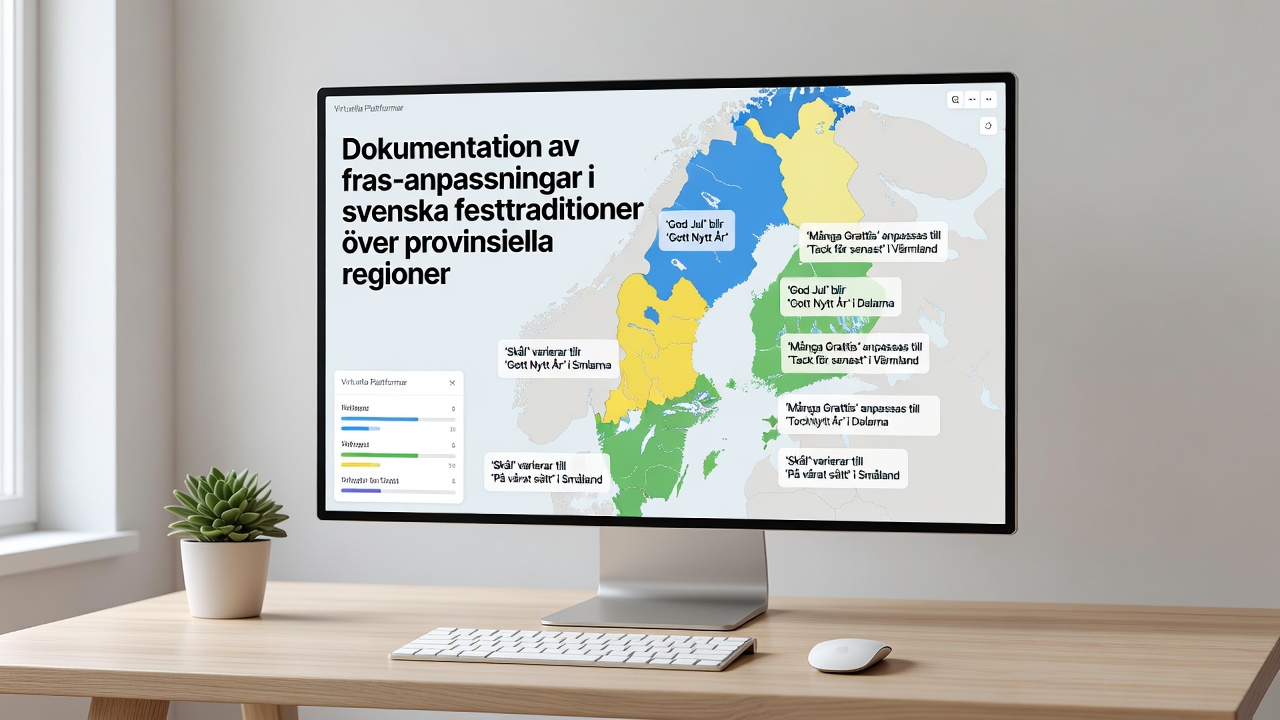
Digital Archives Capturing Linguistic Shifts in Sweden's Provincial Festivities
Virtual platforms have emerged as key repositories for tracking how traditional phrases evolve within Swedish celebrations across different provincial regions, and researchers continue to examine these changes through crowdsourced databases and specialized forums. Data collected since the early 2020s shows regional variations in expressions tied to events like midsummer pole raisings in Dalarna and harvest festivals in Skåne, where older dialect forms blend with contemporary usages documented by online contributors.
Platform Mechanisms for Phrase Documentation
Users upload audio recordings and text entries to centralized sites that categorize adaptations by province, allowing algorithms to map phonetic shifts and semantic updates over time. Studies from linguistic institutions indicate that platforms operating in Norrland often record phrases incorporating Sami influences during winter solstice gatherings, whereas southern regions preserve more Germanic roots in their Lucia processions. These systems rely on timestamped submissions that create chronological records of how expressions like "glad midsommar" adapt to local contexts such as "glad midsommar med sill" in coastal communities.
One notable development involves integration with mobile applications that prompt participants at festivals to log variations in real time, and this approach has yielded datasets covering over 200 distinct phrase modifications across 15 provinces by mid-2025. Government cultural reports highlight how such tools support preservation efforts without altering original traditions, since contributors focus solely on observation rather than invention.
Regional Examples Across Provinces
In Gotland, digital logs reveal adaptations during All Saints' Eve observances where phrases referencing churchyard gatherings incorporate island-specific maritime terms, and similar patterns appear in Jämtland's harvest celebrations with agricultural idioms evolving through user-shared videos. Observers note that platforms facilitate cross-regional comparisons, revealing that eastern provinces tend toward shorter, rhythmic expressions in dance-related celebrations while western areas favor extended narratives during communal meals.
Research indicates these adaptations often stem from generational interactions at events, with younger participants introducing digital-era references that older contributors later verify or contextualize. A case from Västerbotten shows how a traditional greeting phrase expanded to include references to online community shares during the 2024 Christmas markets, creating hybrid forms captured in forum threads.
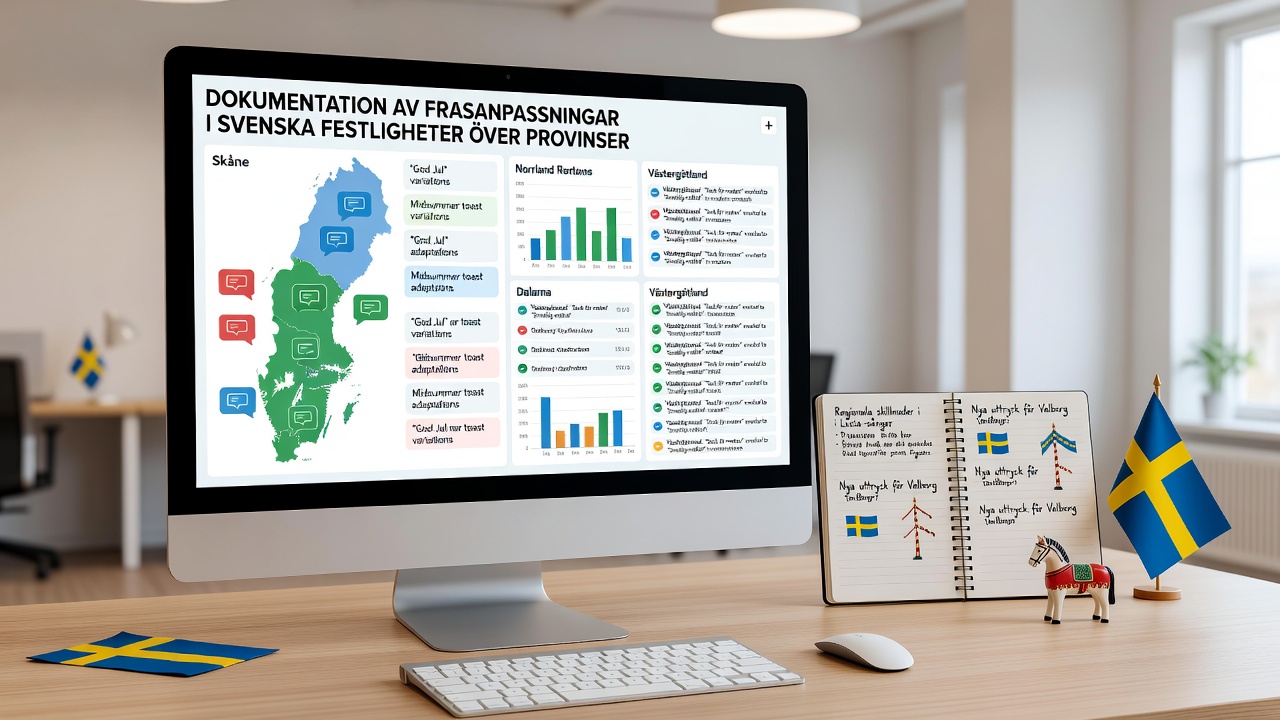
Data Patterns and September 2026 Projections
Analytics from major platforms demonstrate steady growth in submissions, with peaks coinciding with major holidays and figures revealing an average of 1,200 new entries per festival season across tracked provinces. External analyses from the Swedish Institute for Language and Folklore confirm that phrase adaptations frequently reflect migration patterns, as urban users contribute hybrid forms back to rural event documentation. What's interesting is how these records align with broader European heritage initiatives, including updates scheduled for September 2026 that will expand cross-border data sharing protocols.
Another source, the Linguistic Society of America archives, notes parallel documentation trends in Scandinavian studies where virtual mapping tools help isolate dialect hotspots without requiring physical travel. Participants in Värmland festivals, for instance, have contributed entries showing how feast-related phrases incorporate elements from neighboring Norwegian influences, all timestamped for longitudinal review.
Future Documentation Trends
Continued platform development focuses on enhanced verification features that cross-reference submissions against historical texts, and this ensures accuracy while accommodating new adaptations emerging from multicultural festival participation. Data shows increased engagement from diaspora communities who log variations observed during virtual or in-person returns to provincial events. Those who've studied these systems emphasize their role in creating accessible archives that support academic inquiries into language evolution within cultural contexts.
Conclusion
Virtual platforms provide structured means for documenting phrase adaptations in Swedish celebrations, delivering verifiable records that span multiple provinces and time periods. Ongoing data collection through these channels supports detailed mapping of linguistic changes tied to specific regional events and seasonal observances.