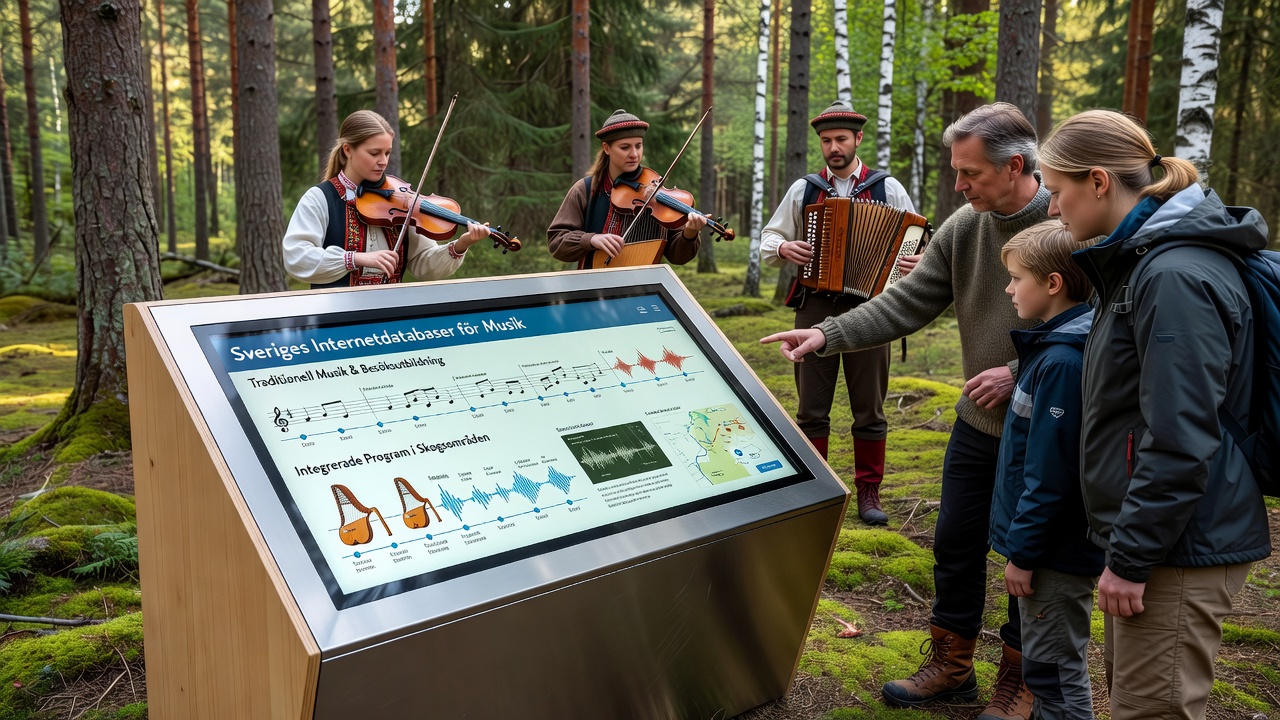
Sweden's Internet Databases Highlight Traditional Music Integration in Forest Visitor Education
Sweden maintains several public internet databases that compile records of traditional music forms while connecting those materials to structured visitor education programs set in forested regions across the country. These repositories draw from national archives, regional folk collections, and field recordings that document instruments such as the nyckelharpa and songs passed through generations in rural communities. Data entries often include geographic coordinates that align specific melodies with particular forest zones where education sessions occur on a seasonal schedule.
Database Structure and Content Sources
Entries in the main cultural heritage platforms categorize music by region, performance context, and associated natural settings, allowing users to filter results by county or by forest type such as boreal or mixed deciduous stands. Researchers at institutions including Uppsala University have contributed digitized transcriptions and audio files that reference historical performance sites now incorporated into guided programs. Records show that submissions increased notably after 2020 when several county administrations began cross-referencing music archives with trail maps used by visitor centers.
Traditional Music Forms Documented
Databases list ballads, herding calls, and dance tunes that originated in forested districts of Dalarna, Jämtland, and Västerbotten. Audio samples demonstrate variations in rhythm and scale that correspond to local dialects and seasonal activities like timber floating or berry gathering. Metadata fields record the names of performers interviewed between 1950 and 2015 along with notes on how those same locations now host educational workshops that combine music instruction with forest ecology lessons.
Visitor Education Programs in Forested Areas
Programs operate through a network of forest lodges and nature reserves where participants attend multi-day sessions that pair instrument workshops with guided walks. Sessions typically run from May through September, although several sites schedule additional programs in October 2026 to accommodate international visitors arriving for autumn foliage events. Instructors use database search tools on-site to retrieve recordings that match the surrounding terrain, enabling direct comparison between archived versions and live demonstrations.
Attendance figures released by the Swedish Environmental Protection Agency indicate that roughly 12,000 individuals took part in music-linked forest education activities during 2025, with preliminary bookings for the following year already showing similar demand. Each program maintains a digital log that feeds back into the central databases, updating participation statistics and noting any new variations participants introduce during group sessions.
Integration Mechanisms
Linkages between music archives and education schedules appear in searchable maps that overlay performance data with trail networks inside national parks. Visitors access these maps through public portals before arrival, then download tailored playlists that correspond to specific stops along marked paths. Program coordinators report that this pre-visit access allows groups to rehearse basic melodies in advance, which in turn shortens the time needed for on-site instruction once participants reach the forest setting.
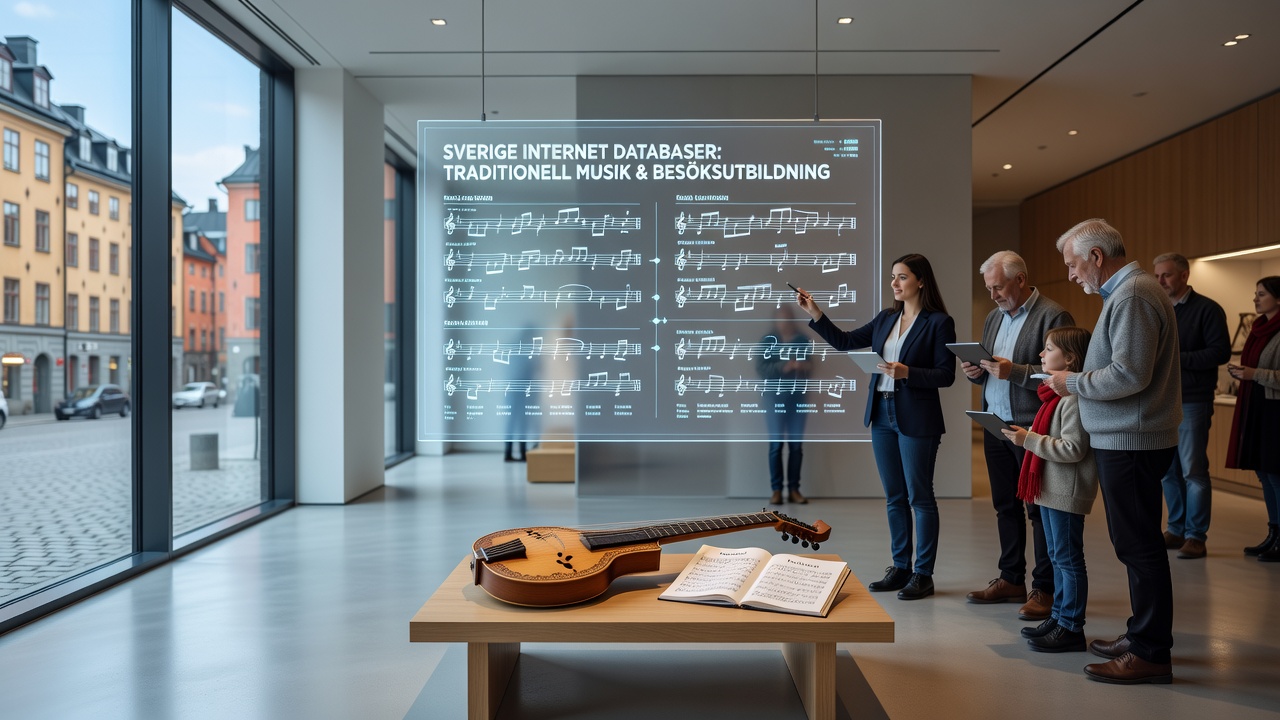
One documented case involves a database entry for a 19th-century herding tune from the Fulufjället area that now anchors a three-day course combining vocal technique with lessons on lichen identification. Coordinators at the site update the entry after each session with attendance counts and any adjustments made to the curriculum based on participant feedback collected through post-program surveys.
Updates Scheduled for October 2026
Administrators at the primary heritage database have announced a batch upload of newly digitized field recordings collected during 2025 forest expeditions. The October 2026 release will also incorporate real-time booking calendars from 18 participating forest education centers, allowing users to reserve spots directly from music archive pages. Technical specifications released in advance indicate that the update will add geolocation tags for every workshop location, improving search precision when users filter by tree species or elevation range.
Conclusion
Sweden's internet databases function as centralized hubs that preserve traditional music documentation while supplying practical tools for forest-based education initiatives. Records track both historical sources and current program outcomes, creating a continuous loop of data that supports planning for future sessions. As additional uploads occur, including those planned for October 2026, the connections between archived music and on-site learning activities continue to expand in measurable ways.